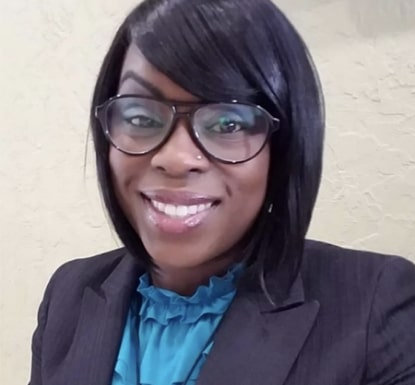
There is nothing quite like motherhood.
As a teenager, I was convinced I did not want to be a mother. It seemed burdensome, and I had dreams of traveling, seeing the world and being free. I saw children as something that would interrupt those dreams, weigh me down and confine me to a life I wasn’t sure I wanted.
Then I gave birth to my first child.
And everything changed.
The moment I held my newborn son in my arms, something profound shifted inside me. In the days and weeks that followed, my son suffered seizures, a stroke, and spent time in the neonatal intensive care unit. I did not know whether he would survive. If he did, I did not know what kind of life he would have.
And in that moment, I finally understood motherhood.
In that moment, I knew without hesitation that I would give everything to save him, even my own life. Nothing else mattered anymore. My priorities, my dreams and my plans all became irrelevant in an instant. My existence, and every decision I made, became centered on my children.
I suspect every mother has a version of this story.
Some women know from childhood that they want to be mothers. Others grow into the role over time. Some women never have children of their own but devote themselves to nieces, nephews, students, foster children, or the young people placed in their care.
What unites us is that love leads us to sacrifice.
Years ago, I learned something fascinating about the word “sacrifice.” It comes from the Latin sacrificium, meaning “to make sacred.” This understanding transformed the way I think about motherhood.
When a mother sacrifices for her child, she is not merely giving something up. She is making something sacred. She is placing the needs of another human being above her own desires because she recognizes the immense value and dignity of that child.
That sacred responsibility has consequences far beyond the walls of our homes.
Mothers are the first teachers. Long before children encounter textbooks, teachers, or institutions, they learn from the example of those raising them. Mothers help shape character. They teach right from wrong, resilience in hardship, kindness toward others, and courage in the face of adversity. They provide the security and consistency that allow children to flourish.
The importance of motherhood was not lost on America’s founders.
George Washington famously remarked, “All I am I owe to my mother.” John Adams once wrote, “Whenever I hear of a great man, I always inquire, who was his mother.”
They understood a truth that remains just as relevant today: the future of a nation depends on the character of its citizens.
America’s experiment in self-government is unique because it places extraordinary trust in ordinary people. But self-government requires self-discipline. Liberty requires virtue. A free society can only endure when citizens possess the moral character necessary to govern themselves.
That character does not emerge by accident.
From the earliest days of our Republic, mothers played a central role in preparing children to become responsible citizens capable of preserving freedom. They taught not only academic lessons but also the values that make Liberty possible: honesty, responsibility, courage, self-restraint, and respect for others.
That responsibility remains today.
The family is more than the basic unit of society. It is the foundation of freedom itself. Strong families produce strong citizens. Strong citizens sustain strong communities. And strong communities preserve a strong nation.
When parents lose the ability to guide the upbringing and education of their children according to their values and convictions, the foundation of self-government begins to erode. The question of parental rights is not merely a political debate. It is a question about who bears the primary responsibility for raising the next generation.
The answer should be clear.
Parents matter.
Mothers matter.
And the sacrifices they make every day matter.
Motherhood is not a limitation on freedom.
It is one of the highest expressions of it.
And in a nation founded on Liberty, there may be no more sacred calling than raising children who understand how to preserve it.